.svg)


The Transformation Intelligence Framework™



Why Most Transformations Fail Before They Begin
The technology is selected carefully. The vendor is credible. The business case is compelling. And yet the majority of these programmes fail to deliver the outcomes they were designed to produce. The failure rate is not marginal. Research across the world's leading management institutions consistently finds that approximately 70% of large-scale transformation programmes fail to meet their original objectives. In the GCC specifically, McKinsey data shows that 73% of organisations piloted generative AI in 2025. Only 11% realised meaningful business value from those pilots.
This is not a technology problem.


The Terracez Transformation Intelligence Framework™ was built to address this gap.
It is a proprietary
15 domain methodology

That determine transformation success
What Is Transformation Intelligence?
It is not a project management discipline. It is not a technology selection methodology. It is not a change management communications programme. Transformation Intelligence is an executive discipline. It operates at the level of strategy, governance, leadership, operating model design and organisational readiness. It answers the questions that implementation methodologies cannot:

Is your executive team genuinely aligned on what this transformation is for?

Does your organisation have the governance architecture to make consequential decisions at speed?

Is your operating model defined for the future state, or are you configuring technology to match the current one?

Do you have the adoption architecture in place to ensure business value is realised after Go-Live?
Most organisations cannot answer these questions with confidence before they begin. The Transformation Intelligence Framework™ makes them answerable, measurable and actionable.
The Intelligence Gap in Enterprise Transformation
The market has no shortage of implementation methodologies. Every major technology vendor, systems integrator and consulting firm has a deployment playbook. These methodologies address the technical dimensions of transformation with considerable rigour: requirements gathering, solution design, configuration, data migration, testing, training, Go-Live.
What they do not address is the organisational system that surrounds the technology:
Leadership behaviours Governance architecture Operating model clarity Change readiness Adoption design Value realisation capability
These are not soft considerations. They are the primary determinants of whether transformation succeeds. The research is unambiguous: technology rarely fails first. The organisation fails. The Transformation Intelligence Framework™ addresses this gap directly — not as a pre-implementation checklist, but as a continuous intelligence capability throughout the transformation lifecycle.
The Framework Philosophy
Five foundational beliefs





The 15 Framework Domains
These domains are not sequential steps. They are interdependent dimensions of organisational readiness and transformation capability that must be assessed, aligned and governed throughout the transformation lifecycle.
The Transformation Intelligence Lifecycle™
Strategy — Translate vision into a prioritised transformation roadmap. Define sequencing, investment rationale and the governance model that will guide execution. Assess — Evaluate organisational readiness across all 15 Framework domains. Identify readiness gaps, misalignment signals and governance risks before implementation begins.
Design — Define the future-state operating model, business architecture, process ownership, governance framework and adoption architecture. Technology follows business design — not the reverse.
Govern — Maintain executive governance throughout execution. Monitor transformation signals. Ensure decision rights are exercised at the appropriate level. Measure — Track business outcomes — not technical milestones — as the primary measure of progress. Adoption, value realisation and business capability improvement are the metrics that matter.
Transform Again — Enterprise transformation is not a single event. It is a recurring capability. Organisations that embed Transformation Intelligence are structurally better positioned for every subsequent initiative.
What the Framework Is Not
What It Is Not / What It Is Instead





Executive Benefits
Organisations that apply the Transformation Intelligence Framework™ establish a measurably different foundation for transformation than those that begin with technology selection.
Before Implementation Begins
Executive alignment is established and documented, not assumed Governance architecture is designed at the executive level, not delegated to project management Operating model is defined for the future state before technology is configured Adoption architecture is designed and resourced, not deferred to Go-Live Transformation risks are identified and addressed before they become programme failures
During Execution
Executive governance is maintained throughout the programme lifecycle Transformation signals are monitored continuously, providing early warning of deterioration Decision rights are exercised at the appropriate level, reducing escalation and delay Strategic intent is reaffirmed at defined intervals, preventing scope expansion Business outcomes remain the primary measure of progress
After Go-Live
Value realisation is tracked against the original business case Adoption is measured as a primary programme metric Continuous intelligence enables iterative optimisation Organisational capability for future transformation is built and maintained
How Alignyx Operationalises the Framework
Alignyx provides executives with real-time visibility into transformation health, organisational readiness and programme risk across all 15 Framework domains. It conducts structured assessments, surfaces transformation signals, and enables continuous monitoring throughout the transformation lifecycle.
Key Alignyx capabilities include:
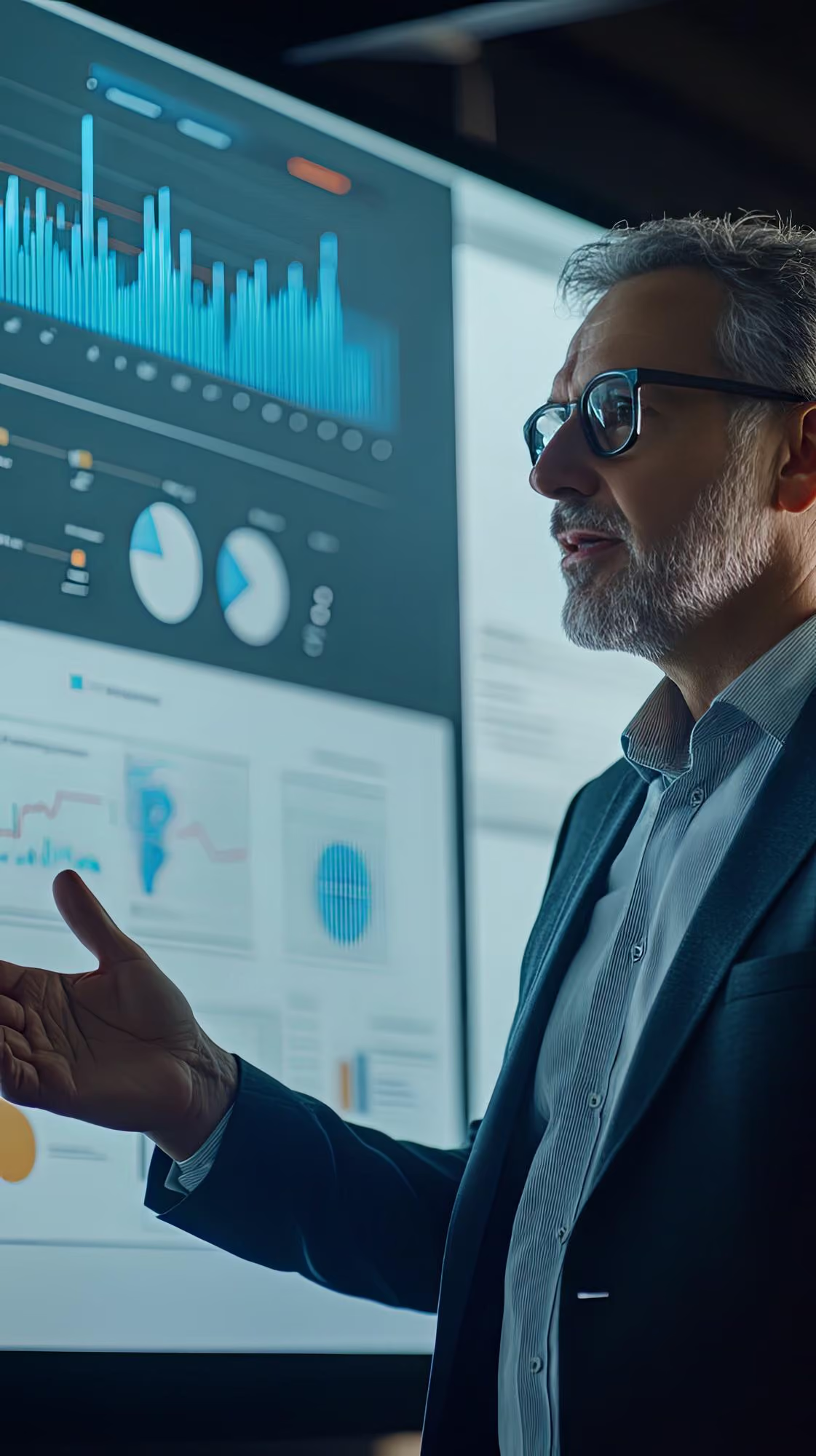
Executive Dashboard
Real-time view of transformation health, alignment scores, governance maturity, readiness levels and risk indicators across all 15 domains

Structured Assessments
Assessments across enterprise readiness, ERP readiness, AI readiness, governance maturity, operating model clarity, people and change readiness, and benefits realisation capability

AI-Powered Analysis
Identification of patterns, comparison against benchmarks, and surfacing of recommendations based on organisational signal data

Continuous Monitoring
Reassessment at defined intervals with executive alerts when signal deterioration is detected

Transformation Intelligence Reports
Executive-ready reporting on transformation health, readiness trends and governance performance
Trusted by brands across industries

"Terracez helped us to achieve the business critical requirement of upgrading AX 2012 to D365 within our timelines. It was important for us to completely upgrade in 2 months which they achieved well before, where other MS partners told was not possible to do."
"Terracez team is a great consultancy, which follows an agile approach to solve any kind of business issues. We are adding a lot of automation with their experienced and highly-skilled team in the manufacturing domain."
"We wanted a partner to support in transitioning SATS’ processes to comply with the new regulation quickly. Terracez understood our business and helped us in enabling the process efficiency without compromising on compliance."

The Framework in the GCC Context
Saudi Arabia’s Vision 2030 and National Transformation Programme are accelerating enterprise transformation across the region. Organisations in manufacturing, construction, petrochemicals, government and holding groups are managing increasingly complex, often concurrent transformation programmes.
The UAE's AI Strategy and the broader digital economy agenda have positioned AI adoption as a national priority, creating governance and accountability requirements for AI transformation that go beyond what Western frameworks address.
The Framework addresses these regional realities explicitly:
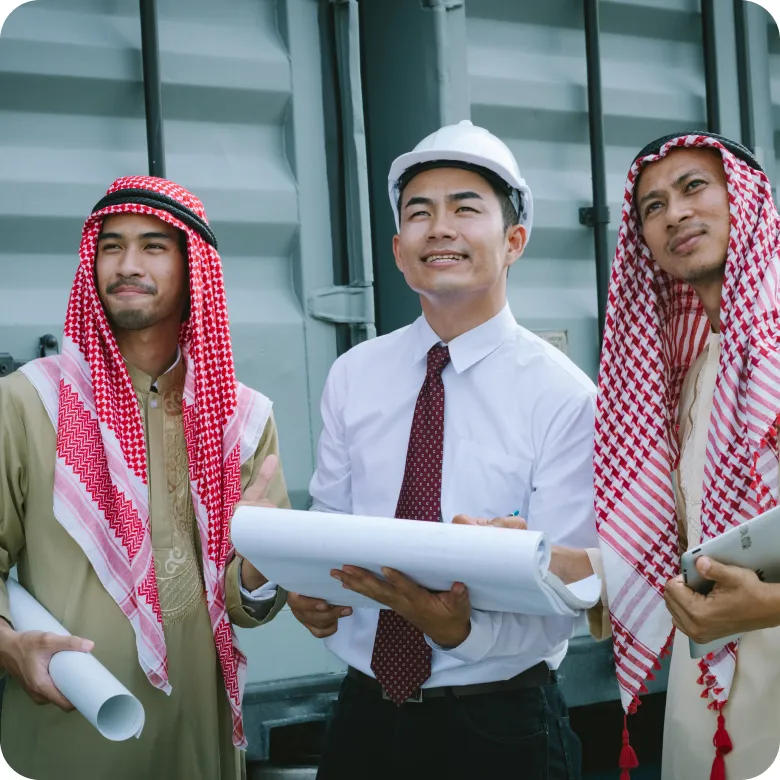

Who Should Use This Framework
Primary Users

Chief Executive Officers and Managing Directors

Chief Information Officers and Chief Digital Officers

Chief Operating Officers and Chief Transformation Officers

Audit Committees

Transformation Directors and Programme Sponsors
managing large-scale enterprise transformation
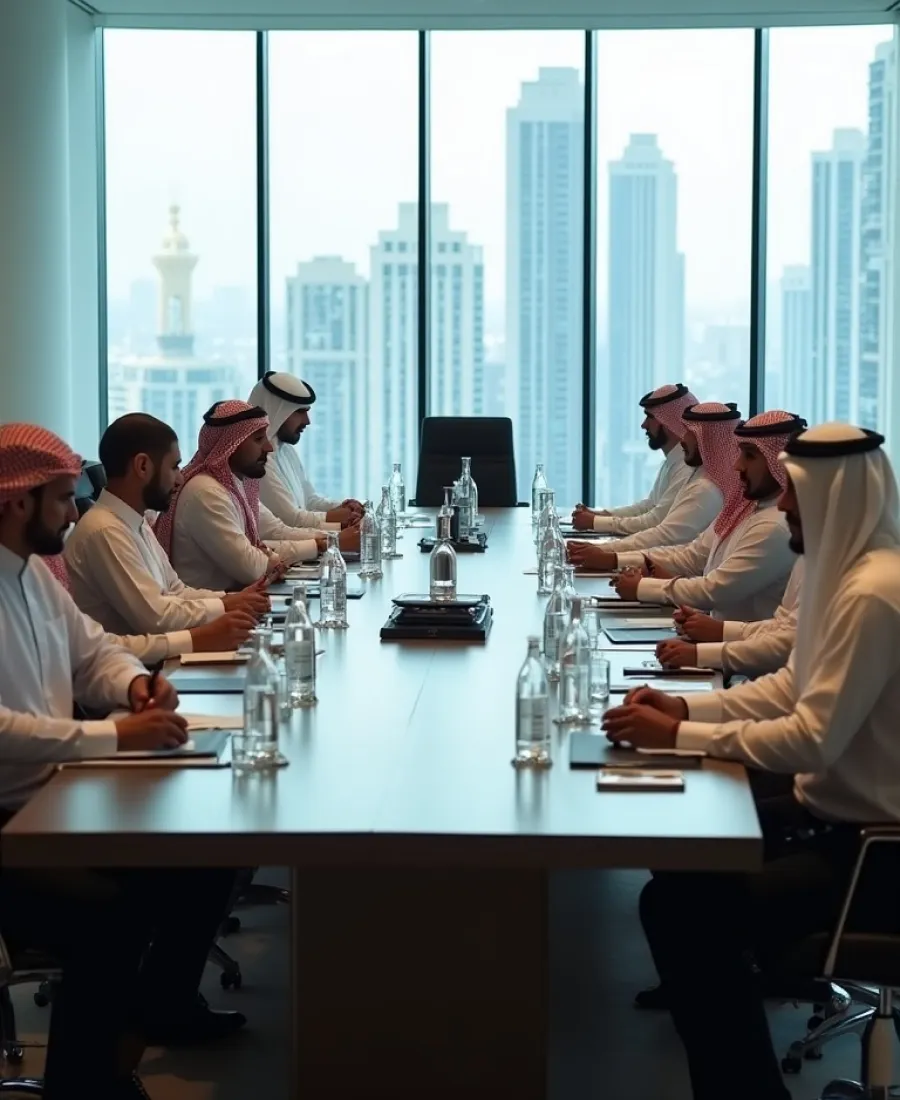
Board Members
Transformation risk oversight, governance assurance, value realisation reporting
Relevant transformation contexts:
Enterprise-wide transformation and business model evolution
ERP programme initiation, recovery or post-implementation value realisation
AI adoption and AI transformation governance
Digital transformation and digital government initiatives
Operating model redesign and organisational restructuring
Holding group transformation and shared services design
Begin With Intelligence, Not Implementation
The question facing every executive who is about to commit significant organisational resources to transformation is not which technology to choose. It is whether the organisation is ready to transform successfully.
The Transformation Intelligence Framework™ makes that question answerable.
to understand how the Framework applies to your transformation programme. There is no obligation and no sales process. A structured conversation with a senior Terracez advisor about your transformation priorities.
Related pages: