


Dynamics 365 for Food and Beverage Manufacturers in the UAE and Saudi Arabia
If you are evaluating Dynamics 365 Finance and Operations partners for a food and beverage manufacturing operation in the UAE or Saudi Arabia, the decision comes down to one question: which partner has the specific delivery experience to configure ingredient traceability, halal compliance, and production quality controls correctly, in a regulated Gulf manufacturing environment, the first time?
This page covers both. If you are ready to evaluate fit now, the Alignyx traceability assessment below takes the guesswork out of scoping.


What this page covers
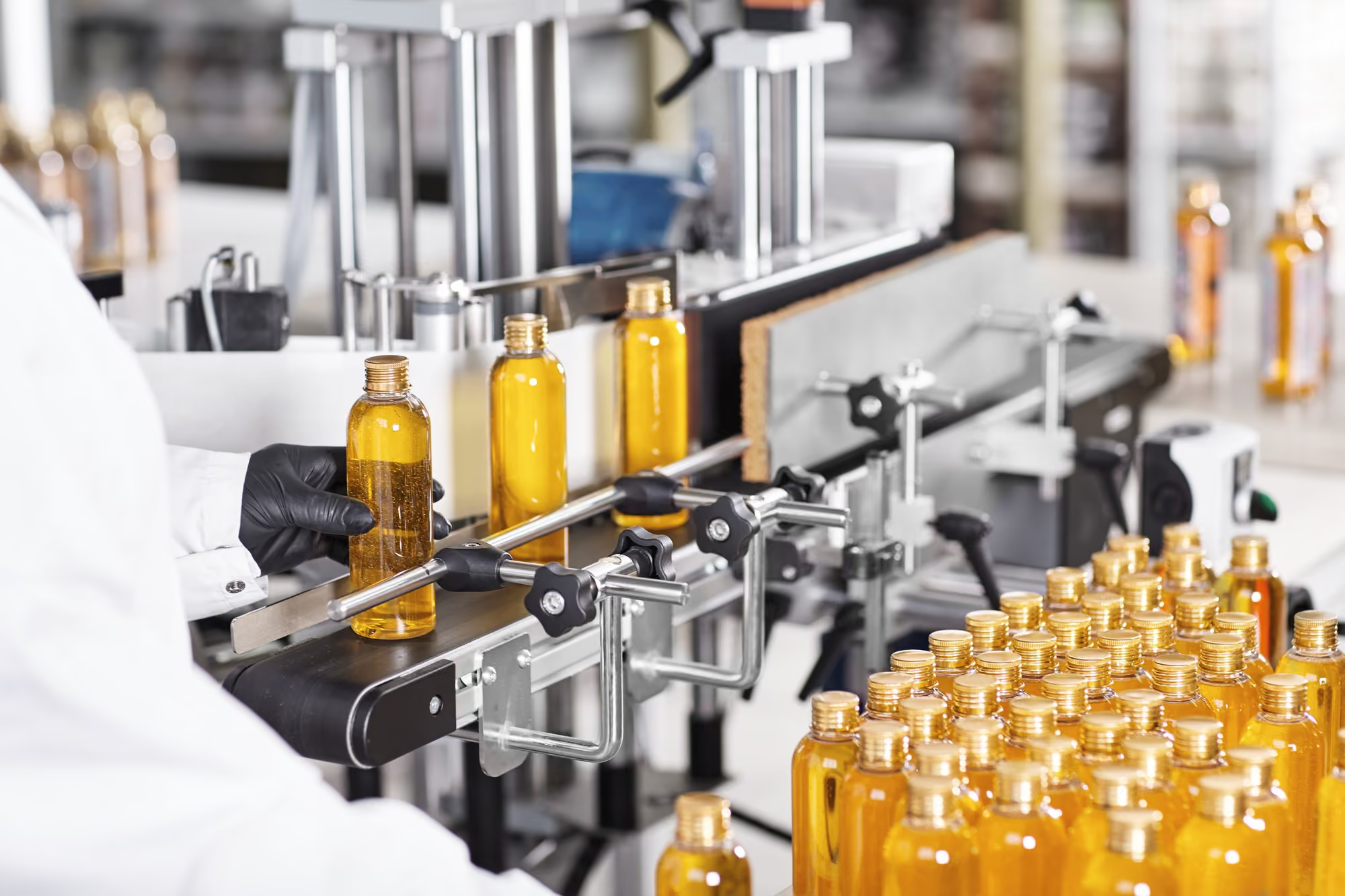
Terracez supports food and beverage manufacturers evaluating Microsoft Dynamics 365 Finance and Supply Chain Management in the UAE and Saudi Arabia. The implementation scope can connect financial control and costing with procurement, inventory, batch and lot traceability, quality management, production planning, warehouse execution and reporting. Fit and configuration depend on the manufacturer's processes, licences and integrations.
For UAE food and beverage manufacturers, including ingredient processors, packaged-food producers, beverage manufacturers and multi-site operators: assess supplier-to-customer lot traceability, FEFO and expiry rules, quarantine and quality release, formula control, recall simulations and warehouse visibility before selecting an ERP implementation partner.
For Saudi food manufacturers: halal compliance, SFDA traceability, supplier controls, and audit-ready documentation.
Covers Dynamics 365 food manufacturing across the UAE and Saudi Arabia.
Ready to assess your traceability gaps? Request a Food Manufacturing Traceability Assessment

Evaluating ERP Implementation Partners for Food & Beverage Manufacturing in the UAE
ESMA, Dubai Municipality Food Safety Department, and ADAFSA require documented traceability and recall capability. Retail buyers and export markets expect the same, creating risk where legacy ERP systems fall short.
When shortlisting ERP implementation partners for food and beverage manufacturing in Dubai, Abu Dhabi or the wider UAE, compare the delivery approach as well as the software. Terracez evaluates Microsoft Dynamics 365 Finance and Supply Chain Management against ingredient-lot genealogy, expiry and FEFO rules, quality holds, recipe and production control, warehouse execution, recall testing, VAT and financial reporting. Ask every shortlisted partner to demonstrate these workflows using your real manufacturing scenarios, identify required integrations and licensing, define UAE delivery responsibilities, and provide relevant references and a written post-go-live support plan. Configuration and compliance outcomes must be validated for each operation.
Key ingredient traceability challenges Terracez resolves:




The real cost is the recall you cannot execute, the audit you cannot pass, and the buyer qualification you cannot prove.
Ingredient Traceability in Dynamics 365

From Goods Receipt to Production Batch
When raw ingredients arrive at the facility, Dynamics 365 captures:
- Supplier details, purchase order reference, and delivery documentation
- Batch or lot number assigned at goods receipt
- Quality inspection status: quarantine, approved, or rejected
- Expiry date and shelf-life parameters
- Storage location and temperature zone
Ingredients cannot be released to production until quality inspection is completed and the batch status is set to approved. This is enforced at the system level, not by manual process.

Through Production to Finished Goods
• Each production order records the ingredient batches consumed, quantities, workstation, and operator. Bills of materials and production routes are version-controlled, with recipe changes date-stamped and approved.
• Finished goods inherit the traceability of every ingredient batch used. A single pallet scan returns the full ingredient history.

Recall Readiness
- Identify all finished goods containing a specific ingredient lot — Batch trace forward report: seconds, not hours
- Identify all customers who received affected product — Despatch records linked to sales orders and delivery notes
- Quarantine remaining affected stock — Batch status update across all locations simultaneously
- Produce recall documentation for regulators — Audit trail export with full chain of custody
Quality Management for UAE Food Manufacturers
Dynamics 365 generates quality orders automatically at configurable trigger points:
- On goods receipt from specific suppliers or for specific item categories
- After production completion before transfer to finished goods stock
- Before despatch to specific customers or markets
- On a scheduled periodic basis for items in storage
Each quality order specifies the test group, acceptable quality levels, sampling method, and the responsible quality technician. Results are recorded against the order, and items remain in a quality hold status until the order is closed as passed or failed.
When a quality order fails, Dynamics 365 raises a non-conformance record that:
- Links the failure to the specific batch, production order, or supplier delivery
- Routes the non-conformance to the appropriate approver
- Tracks corrective and preventive actions (CAPA) through to closure
- Maintains a full history of non-conformances by supplier, item, and production line
This creates the documented quality management evidence that UAE food safety audits and retail buyer qualification processes require.

For manufacturers supplying to retailers, food service operators, or export markets, Dynamics 365 supports certificate of analysis (CoA) generation linked to specific production batches. The CoA pulls quality test results, ingredient specifications, and batch data directly from the system, eliminating manual document assembly and the risk of errors in customer-facing quality documentation.

Production Planning and Manufacturing Operations
Production planning for food manufacturers is more complex than discrete manufacturing. Shelf life constrains scheduling. Ingredient availability drives batch sizing. Allergen controls dictate production sequencing. Dynamics 365 handles each of these within a single production planning environment.
Master Production Scheduling
Dynamics 365 runs master planning across demand signals from sales orders, forecasts, and replenishment rules to generate planned production orders. For food manufacturers, this includes:
- Shelf-life aware planning: the system plans production to meet demand within the usable life window of finished goods
- Ingredient availability netting: planned orders are checked against current stock, open purchase orders, and lead times before confirmation
- Capacity constraints: production scheduling respects machine capacity, shift patterns, and cleaning or changeover time between production runs
Recipe and Formula Management
Dynamics 365 manages food production through formula-based bills of materials, where:
- Ingredient quantities are defined as percentages of batch size, allowing flexible batch scaling
- Co-products and by-products are captured and costed within the production order
- Yield factors and scrap percentages are modelled at the formula level
- Recipe versions are controlled, with effective dates and approval workflows before any change goes live in production
Production Execution and Reporting
On the production floor, Dynamics 365 supports:
- Mobile device picking and consumption reporting for ingredient batches
- Real-time production order progress tracking
- Automated finished goods receipt to warehouse with batch and expiry assignment
- Actual vs. standard cost variance reporting at the production order level
The result is a production operation where every batch can be costed, every ingredient can be traced, and every quality check is documented before product leaves the facility.
Compliance and Regulatory Controls for UAE Operations

- ESMA — product standards, labelling and registration
- Dubai Municipality — inspection readiness and recall obligations
- ADAFSA — Abu Dhabi food safety and quality records
- MOCCAE — import and export food safety controls
- Dynamics 365 — audit trails, batch traceability and controlled documentation
- Supplier certification, goods receipt and quality evidence

Formula-level allergen control
Allergen-aware production scheduling
Ingredient-driven declarations

Saudi Arabia: Halal Compliance and Traceability for Food Manufacturers
Terracez operates a permanent Saudi Arabia office, has delivered Dynamics 365 Finance and Operations implementations for manufacturing organisations in the Kingdom, and provides halal traceability controls as a documented part of its food and beverage ingredient management solution — a configured, tested, and delivered solution set.
The Saudi Food and Drug Authority (SFDA) and SFDA Saudi Halal Center set food safety and halal compliance requirements that extend from supplier qualification through goods receipt, production and finished goods certification. Halal is a production governance obligation, not simply a labelling requirement, and full audit evidence must be available at every stage. Dynamics 365 Finance and Operations therefore needs to be configured specifically for the Saudi regulatory environment.
What Halal Compliance Requires in Dynamics 365
What SFDA-Ready Dynamics 365 Looks Like
For Saudi food manufacturers, the difference between having Dynamics 365 and having an SFDA-ready, halal-compliant Dynamics 365 environment is the quality of the configuration. The system must connect supplier qualification, halal certification, quarantine, production segregation, ingredient traceability and audit documentation into one controlled production record.
Saudi Food and Drug Authority (SFDA)SFDA Saudi Halal CenterSFDA Compliance Controls
SFDA requirement — Dynamics 365 control
Batch and lot traceability for all food products
End-to-end batch trace from goods receipt to customer despatch

Recall capability within defined regulatory timeframes
Forward and backward batch trace reports with despatch records

Supplier documentation and qualification records
Supplier certification management with expiry tracking
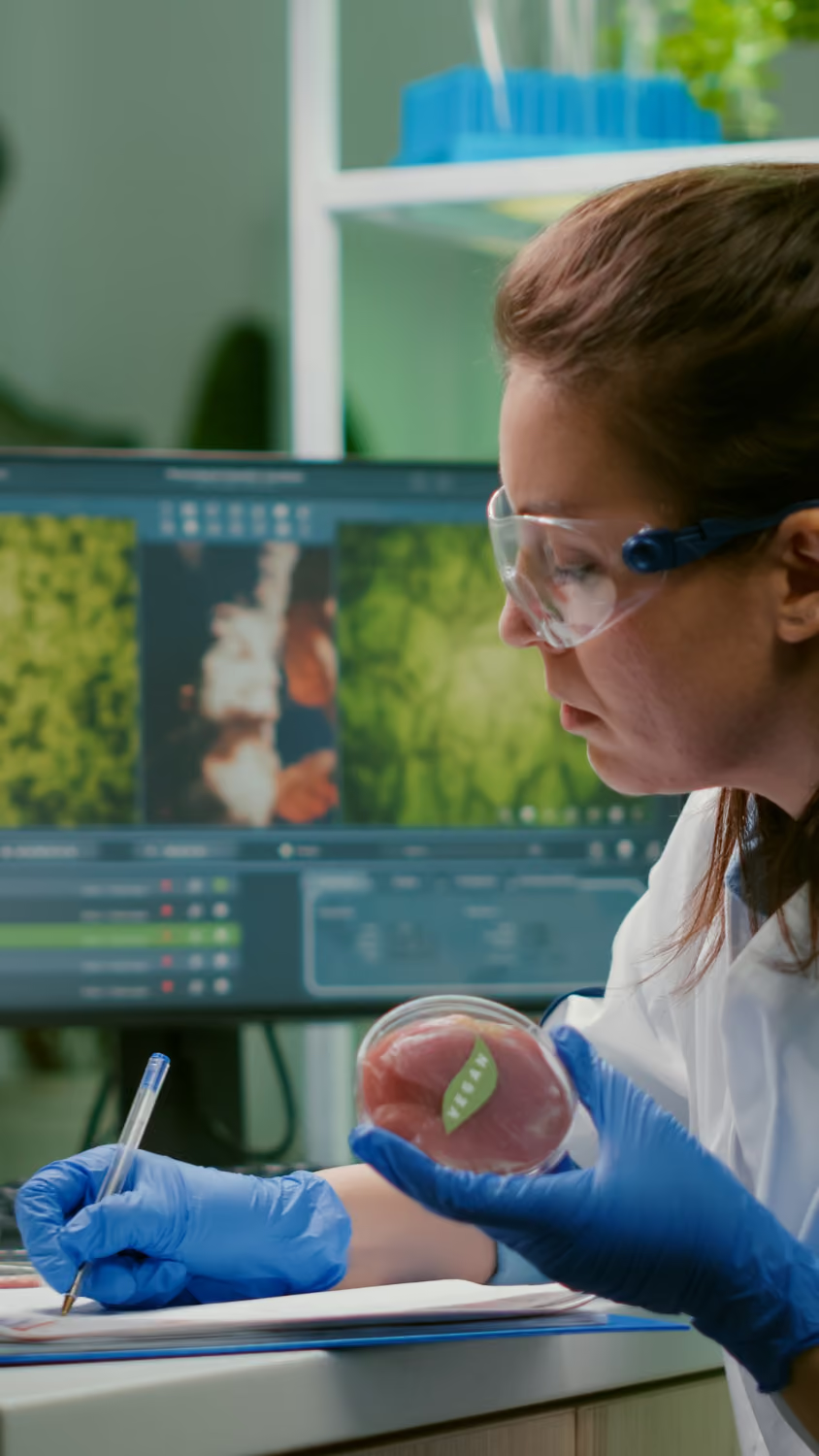
Production records and quality evidence
Quality orders, non-conformance records, and production order history
Labelling and specification compliance
Product specification management with formula change workflow
Why Terracez is the Right Dynamics 365 F&O Partner for Saudi Food Manufacturers
The question Saudi food manufacturers ask when evaluating Dynamics 365 Finance and Operations partners is not "can you implement Dynamics 365?" Every certified partner can. The question is: "have you configured halal compliance controls and ingredient traceability in a Saudi food manufacturing environment, and can you demonstrate it?"

Use evidence-based partner selection: ask for a live walkthrough of supplier-lot-to-finished-goods genealogy, a forward and backward recall test, quarantine-to-release controls, halal certificate and supplier qualification workflows where applicable, formula change approvals, a named UAE or Saudi delivery team, and a written post-go-live support model. Validate relevant client references directly; sector-specific delivery claims should not substitute for demonstrated evidence.

a local team that understands SFDA requirements, Vision 2030 industrial transformation priorities, and the operational reality of Saudi food manufacturing

not a configuration option, but a tested and documented solution set covering supplier qualification, quarantine controls, production segregation, and certification documentation

the Alignyx readiness assessment produces a fixed-price proposal so you know the full scope, timeline, and cost before any commitment

implementations for manufacturing organisations in the Kingdom across production, supply chain, quality, and finance
The Alignyx readiness assessment, provided at no cost before any implementation commitment, evaluates your current halal process controls, traceability gaps, production data quality, and SFDA compliance posture against the specific requirements of a Dynamics 365 Finance and Operations implementation.
For Saudi food manufacturers: the gap between having Dynamics 365 and having a halal-compliant, SFDA-ready Dynamics 365 implementation is determined entirely by the quality of the configuration and the partner's understanding of your regulatory obligations.
Speak to a Saudi Halal Compliance Specialist
Operating under SFDA requirements or preparing for a halal certification audit? Book a 30-minute call with a Terracez manufacturing consultant based in Saudi Arabia to discuss your specific compliance obligations and how Dynamics 365 can be configured to meet them.

How Terracez Delivers Food and Beverage Implementations
For food and beverage manufacturers, the implementation should connect Dynamics 365 Supply Chain Management capabilities for batch-controlled inventory, quality, production, procurement and warehousing with Dynamics 365 Finance for costing, financial controls and reporting. Power BI can support operational dashboards, while Power Platform may support approved workflows and integrations. Confirm product fit, licensing, data requirements, recall testing and adoption responsibilities during discovery; successful go-live alone is not proof of traceability or compliance.
Request a Food Manufacturing Traceability Assessment

If your food manufacturing operation has gaps in batch traceability, quality documentation, production control or recall readiness, the Alignyx assessment identifies those gaps and what it will take to close them with Dynamics 365.
The no-cost, time-bounded assessment covers:
- Current traceability controls and gaps
- Quality management process maturity
- Production data quality and readiness for Dynamics 365
- Organisational and stakeholder readiness
- Regulatory compliance posture against UAE food safety or Saudi SFDA requirements
You receive a fixed-price Dynamics 365 implementation proposal with defined scope, timeline and outcomes.
To request your assessment, contact the Terracez manufacturing team directly: Email: hello@terracez.com
Terracez supports food and beverage manufacturers across the UAE and Saudi Arabia with complex ingredient traceability and compliance requirements.